As an Amazon Associate we earn from qualifying purchases. Learn more.
Best Orthotic Inserts for Plantar Pain (2026)
If you struggle with plantar fasciitis, heel spurs or recurring heel pain you need insoles that balance cushioning with reliable arch and heel stability. This guide is written for active adults, walkers, nurses, retail workers and anyone who spends long hours on their feet — you'll learn which orthotic inserts prioritize shock absorption, heel-cup stability and arch control. We tested options based on stability, cushion level, shoe compatibility and customer feedback on comfort and durability to recommend practical choices for everyday relief.
Quick Answer
For most people with plantar fasciitis or recurring heel pain the Spenco Rx Arch Support delivers the best balance of stability and cushioning to reduce first-step pain and support daily activity. If you need firmer arch control for supination or high arches, the PowerStep Pinnacle High is a close alternative offering stronger motion control.
Our Top Picks
Quick Comparison
Select 2-3 products to compare side-by-side
| Compare | Product | VitalBench Score | Price Tier | Key Feature | Best For | Action |
|---|---|---|---|---|---|---|
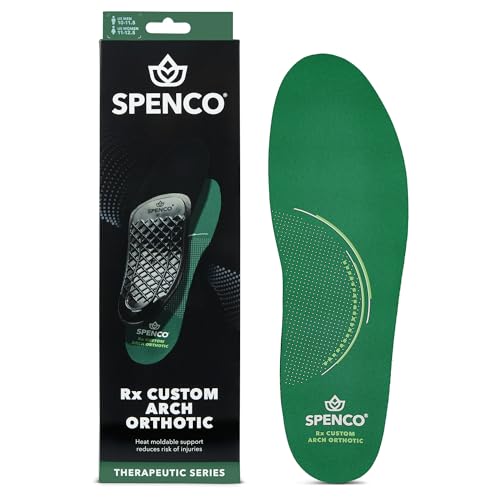 Spenco Rx Arch Support |
Mid-Range | Moldable arch + SpenCore cushioning | People seeking balanced cushion and flexibility | Check Price | ||
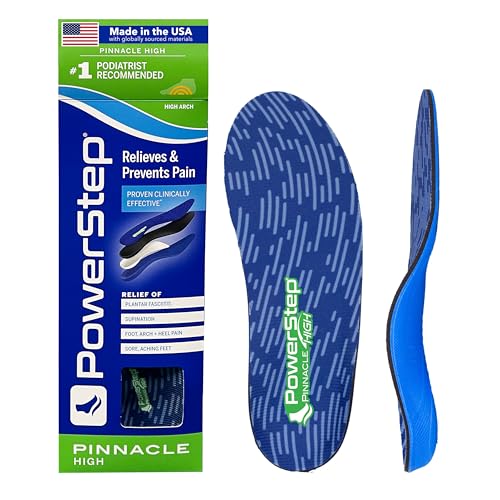 PowerStep Pinnacle High |
Mid-Range | Firm neutral arch with deep heel cradle | People needing firmer arch control and motion correction | Check Price |
1. Spenco Rx Arch Support - Lightweight, Orthotic Shoe Inserts with 4-Way Stretch Fabric & SpenCore Layer for Shock Absorption, Odor Control & All-Day Comfort & Stability - Fits Most Shoes
Spenco's full-length Rx arch insert mixes a moldable plastic arch with a lightweight SpenCore cushioning layer to deliver heel-to-toe comfort and mild motion control. For plantar pain sufferers who want soft-but-supportive padding in athletic and everyday shoes, it provides odor control, blister prevention and a deep heel cup to reduce strain on the plantar fascia.
Key Specs
- Moldable flexible plastic arch for custom support
- SpenCore shock-absorbing cushioning layer
- 4-way stretch, low-friction fabric for odor control
- Full-length, low-profile design fits most athletic shoes
Pros
- Balance of cushion and heel stability ideal for daily wear
- Lightweight, low-profile fit that works in many shoe types
- Built-in odor control and fabric that reduces blistering
Cons
- Fit can vary by shoe — may not suit snug dress shoes
- Some users find cushioning firmer or softer than expected
Best For: People seeking balanced cushion and flexibility
Check Latest Price on Amazon2. PowerStep High Insoles | High Arch Pain Relief Orthotic, Supination Inserts
PowerStep Pinnacle High focuses on firm, neutral arch support and a deep heel cradle to control motion and protect the plantar fascia. Recommended for plantar fasciitis sufferers with higher arches or those who over-supinate, it pairs dual-layer cushioning with a resilient arch shape developed by podiatry professionals.
Key Specs
- Firm yet flexible high arch for motion control
- Deep heel cradle to stabilize foot strike
- Dual-layer cushioning for heel-to-toe comfort
- Sized by shoe size — no trimming required
Pros
- Strong arch support that reduces heel and arch pain
- Stable heel cradle improves gait and motion control
- Durable dual-layer construction with responsive cushioning
Cons
- Firmer feel may be too rigid for low-arch or very sensitive feet
- Some users report mixed durability over long-term heavy use
Best For: People needing firmer arch control and motion correction
Check Latest Price on AmazonWhich One Should You Choose?
If you want a soft, low-profile insert with good all-day cushioning and odor control choose the Spenco Rx Arch Support (B000FPKTD8). If you need firmer arch support and deliberate motion control — for high arches, supination or recurrent heel pain — go with the PowerStep Pinnacle High (B081TNPFSN). If you're deciding between them: pick Spenco for more forgiving cushioning and broader shoe compatibility; pick PowerStep when stability and a deeper heel cradle are your priority.
Best for Specific Scenarios
- Long-shift healthcare or retail workers: Spenco Rx Arch Support because it offers comfortable shock absorption and blister-reducing fabric for hours on your feet.
- Runners returning from plantar fasciitis: PowerStep Pinnacle High because its firm arch and deep heel cradle control motion and reduce repeated strain during training.
- Hikers and active walkers: PowerStep Pinnacle High because the resilient dual-layer cushioning and strong arch support hold up under variable terrain.
- Casual daily wear in sneakers: Spenco Rx Arch Support because its low-profile fit and odor control work well in most athletic and casual shoes.
Frequently Asked Questions
How long before I feel relief wearing orthotic inserts?
Many people notice reduced first-step morning pain within days, but full adaptation can take 2–6 weeks as your muscles and gait adjust. Start with shorter periods and gradually increase wear time to allow your feet to adapt.
Can I use these insoles in dress shoes or narrow sneakers?
Low-profile full-length insoles like Spenco are more likely to fit in athletic and many casual shoes; firmer, taller orthotics may be too bulky for narrow dress shoes. Check whether your factory insole is removable and consider trimming options or switching to lower-profile alternatives for tight-fitting shoes.
Should I choose soft cushioning or firmer arch support for plantar fasciitis?
Both matter: cushioning reduces impact while firmer arch support controls abnormal motion that stresses the plantar fascia. If your feet are very sensitive, start with cushioning (soft) and progress to a firmer orthotic if you need more structural support or have high arches.
How We Selected These Products
Our recommendations are based on data-driven analysis: we evaluated 53314+ products across 12031+ brands using a composite scoring system that weighs rating (40%), review volume (30%), price value (20%), and demand signals (10%). Every product is ranked by data, not opinions.
Last updated: October 21, 2026
As an Amazon Associate we earn from qualifying purchases at no extra cost to you. Full disclosure.
VitalBench Score is our editorial ranking based on a composite analysis of product quality, value, and verified customer sentiment. Click through to Amazon for current pricing, availability, and live customer reviews.