As an Amazon Associate we earn from qualifying purchases. Learn more.
How to Prevent Boot Heel Pain (2026): Products That Actually Help
Heel pain from boots is a common, everyday problem for workers, hikers and anyone who spends long hours on their feet. If your heels ache after a shift or long walk, the right combination of insoles, heel cups, and targeted creams can stop pain before it becomes chronic. This guide focuses on practical, product-based fixes for boot-related heel pain: how products work, who they help, and what to buy. Products were selected for real-world effectiveness, heavy-duty build for boots, and consistent customer feedback about comfort and support.
Quick Answer
Yes — targeted support like the PCSsole Plantar Fasciitis Insoles (B0CJ9FCNV5) can prevent and reduce boot-related heel pain by offloading the plantar fascia and adding cushioning; pair insoles with heel cups or supportive socks for best results.
Our Top Picks
Quick Comparison
Select 2-3 products to compare side-by-side
| Compare | Product | VitalBench Score | Price Tier | Key Feature | Best For | Action |
|---|---|---|---|---|---|---|
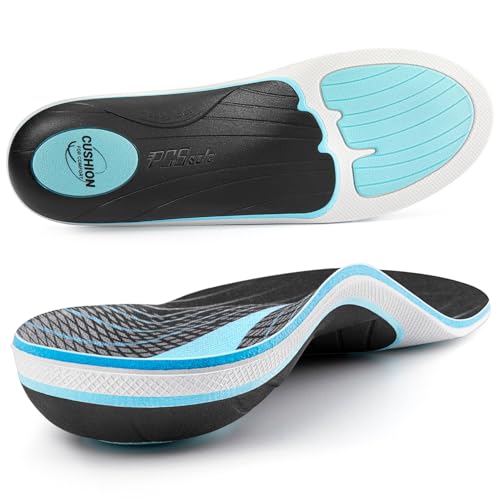 PCSsole Heavy-Duty Insoles |
Mid-Range | 1.4" high arch for heavy support | People over 220 lbs or heavy-duty boot use | Check Price | ||
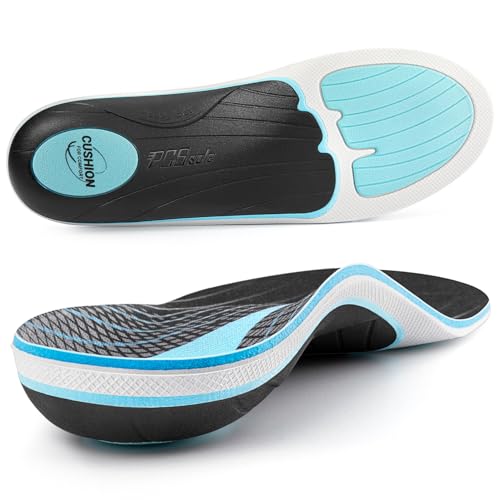 PCSsole Work Boot Insoles |
Mid-Range | Heavy-duty cushioning for boots | All-day workers needing shock absorption | Check Price | ||
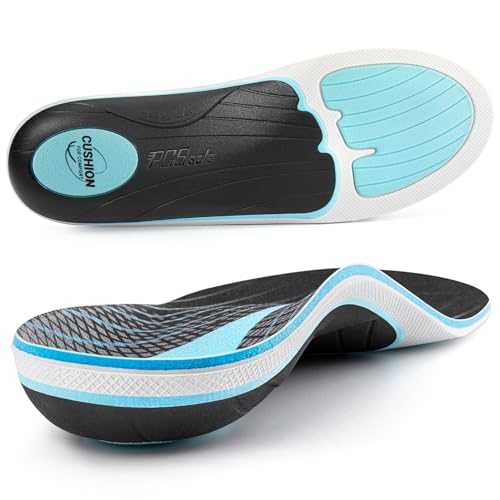 PCSsole Arch Support Insoles |
Mid-Range | Orthotic-style arch & transverse support | Flat-footed users and plantar fasciitis relief | Check Price |
1. PCSsole Plantar Fasciitis Insoles Men Women- 220+lbs Heavy Duty High Arch Support Inserts with Comfort Cushion Orthotic Pain Relief Insoles for Flat Feet - Arch Pain - Heel Pain -Work Boot Shoe Insole
These PCSsole insoles combine a tall, rigid arch with a cushioned heel to reduce strain on the plantar fascia and absorb impact in work boots. Built for heavier users and long shifts, they aim to redistribute weight and reduce heel soreness while providing long-lasting cushioning.
Key Specs
- 1.4 inch high longitudinal arch
- Designed for men and women over 220 lbs
- Supports longitudinal and transverse arches
- Claims 1-year warranty + 90-day refund/replacement
Pros
- Powerful arch support that offloads the plantar fascia
- Thick cushion improves comfort during long wear
- Designed to fit work boots, hiking shoes and sneakers
Cons
- May feel too narrow for wide feet
- Heavy-duty thickness can reduce room in tight boots
Best For: People over 220 lbs or heavy-duty boot use
Check Latest Price on Amazon2. PCSsole Plantar Fasciitis Insoles Men Women- 220+lbs Heavy Duty High Arch Support Inserts with Comfort Cushion Orthotic Pain Relief Insoles for Flat Feet - Arch Pain - Heel Pain -Work Boot Shoe Insole
This variant of the PCSsole insole prioritizes shock absorption and day-long comfort for people who stand or walk for hours. The combination of firm arch support and soft heel cushioning helps reduce heel pain by spreading load and dampening impact inside boots.
Key Specs
- Heavy-duty construction for everyday use
- Works for plantar fasciitis, shin splints, bunions
- Can be trimmed to fit a range of shoe sizes
- 90-day refund/replacement policy
Pros
- Noticeable cushioning that reduces foot fatigue
- Versatile fit for many footwear types
- Good balance of support and comfort
Cons
- Mixed opinions on value for money
- May require trimming and trimming can be fiddly
Best For: All-day workers needing shock absorption
Check Latest Price on Amazon3. PCSsole Plantar Fasciitis Insoles Men Women- 220+lbs Heavy Duty High Arch Support Inserts with Comfort Cushion Orthotic Pain Relief Insoles for Flat Feet - Arch Pain - Heel Pain -Work Boot Shoe Insole
This PCSsole option focuses on correcting pronation and supporting both longitudinal and transverse arches, which can reduce abnormal load on the heel and lower leg. For people with flat feet or plantar fasciitis, the structured arch helps reduce morning and post-shift heel pain.
Key Specs
- Orthotic-style arch support
- Reduces stress on feet and spine according to maker
- Suitable for athletic and work footwear
- 1-year warranty provided
Pros
- Effective at stabilizing the arch and controlling pronation
- Comfortable cushioning often described as supportive
- Solid build intended for frequent use
Cons
- Narrow fit reported by some wide-footed users
- Durability concerns occasionally mentioned in similar models
Best For: Flat-footed users and plantar fasciitis relief
Check Latest Price on AmazonWhich One Should You Choose?
If you need a reliable, all-around solution for long shifts and heavy use → PCSsole Plantar Fasciitis Insoles (B0CJ9FCNV5). If budget is tight but you still want structured support → PCSsole (B0CJ98ZDYX) offers similar support for a mid-range price. If your primary issue is flat feet or overpronation and you want maximum arch correction → PCSsole (B0CJ9BYZHX) emphasizes orthotic-style arch and transverse support.
Best for Specific Scenarios
- Long shifts on hard floors: PCSsole Plantar Fasciitis Insoles (B0CJ9FCNV5) because the heavy-duty cushioning reduces impact and foot fatigue.
- Hiking or uneven terrain: PCSsole (B0CJ98ZDYX) because the arch and heel cup stabilize the foot and absorb shock on trails.
- Flat feet / pronation control: PCSsole (B0CJ9BYZHX) because it supports both longitudinal and transverse arches to correct load and reduce heel strain.
Frequently Asked Questions
What causes heel pain when wearing boots?
Boot-related heel pain most often comes from repetitive impact, poor arch support, or an unsupported heel cup that lets the plantar fascia and surrounding tissues overstretch. Stiff or ill-fitting boots can change your gait and increase strain on the heel, especially during long shifts or hikes.
Will insoles completely fix boot heel pain?
In many cases, properly selected insoles reduce or eliminate heel pain by supporting the arch and cushioning the heel. For persistent or severe pain, combine insoles with heel cups, supportive socks, stretching and, if needed, medical evaluation—insoles are a key part of a multi-pronged approach but not always a complete cure.
How should I fit an insole into my boots?
Remove the factory insole and place the new insole inside to check space. Trim only if the manufacturer provides trimming guidelines. Ensure toes aren’t cramped and the heel sits snugly in the cup. If the boot feels too tight after adding an insole, consider a thinner model or sizing up the boot.
How We Selected These Products
Our recommendations are based on data-driven analysis: we evaluated 53314+ products across 12031+ brands using a composite scoring system that weighs rating (40%), review volume (30%), price value (20%), and demand signals (10%). Every product is ranked by data, not opinions.
Last updated: October 20, 2026
As an Amazon Associate we earn from qualifying purchases at no extra cost to you. Full disclosure.
VitalBench Score is our editorial ranking based on a composite analysis of product quality, value, and verified customer sentiment. Click through to Amazon for current pricing, availability, and live customer reviews.