As an Amazon Associate we earn from qualifying purchases. Learn more.
How to Prevent and Treat Blisters During Fall Hikes (2026 Guide)
Blisters are the most common reason hikers cut a trip short — a small hotspot becomes a painful problem quickly on wet, chilly fall trails. If you regularly deal with hotspots, sore arches or slipping heels, this guide shows how to prevent blisters before they start and how to treat them on the trail. You’ll get shoe-prep tips, sock and lubricant strategies, and five insoles chosen for how they reduce friction, improve fit, or protect the ball/heel of the foot. Products were selected based on supportive features, materials (gel, foam, moisture-wicking covers), and customer feedback about comfort, durability and effectiveness.
Quick Answer
To prevent and treat blisters on fall hikes, improve shoe fit, reduce friction, and add cushioning where you get hotspots. For an all-purpose insole that helps do this, the Superfeet All-Purpose Support Medium Arch Insoles (B0011YEMDK) are our top pick because their sculpted heel cup, high-density foam and moisture-wicking cover stabilize the foot and reduce movement that creates blisters.
Our Top Picks
Quick Comparison
Select 2-3 products to compare side-by-side
| Compare | Product | VitalBench Score | Price Tier | Key Feature | Best For | Action |
|---|---|---|---|---|---|---|
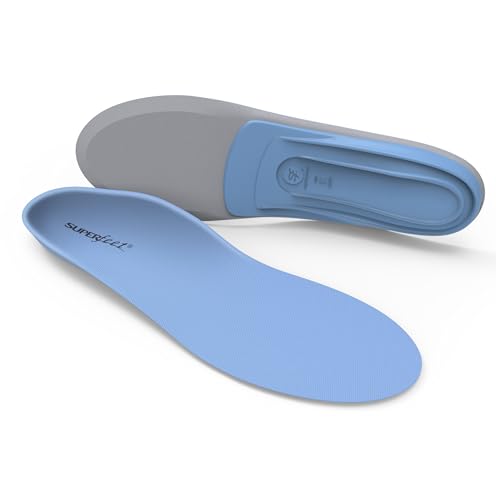 Superfeet All-Purpose (Blue)
|
Premium | Sculpted heel cup for stability | Hikers needing fit and heel control | Check Price | ||
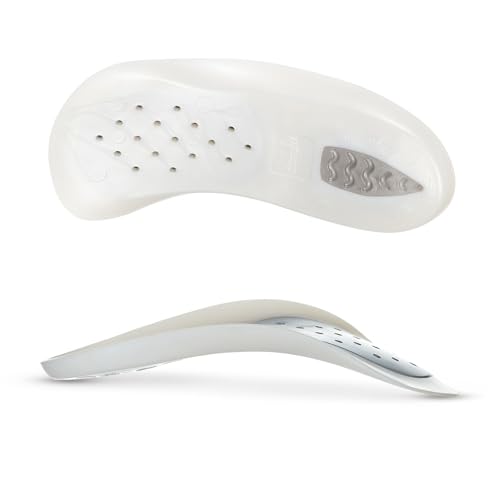 WALKfit PLATINUM (Size 10)
|
Budget | Customizable arch inserts | Hikers who need adjustable arch height | Check Price | ||
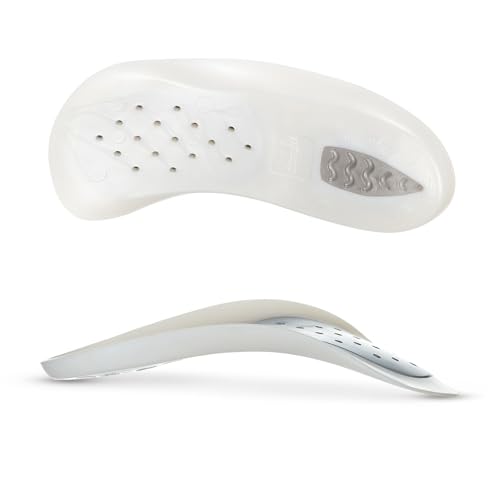 WALKfit PLATINUM (Size 7)
|
Budget | Same adjustable arch system | Smaller-size hikers wanting arch options | Check Price | ||
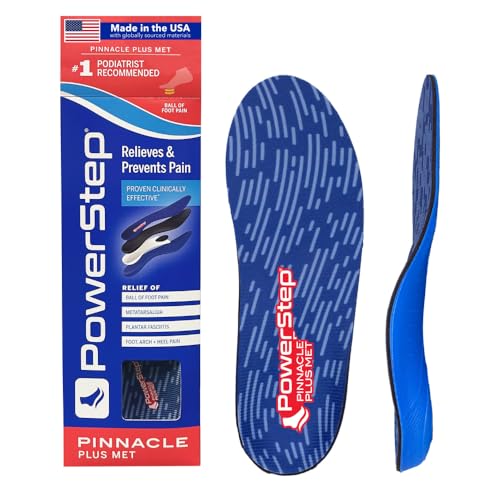 PowerStep Pinnacle Plus Met
|
Mid-Range | Built-in metatarsal pad | Hikers with ball-of-foot hotspots | Check Price | ||
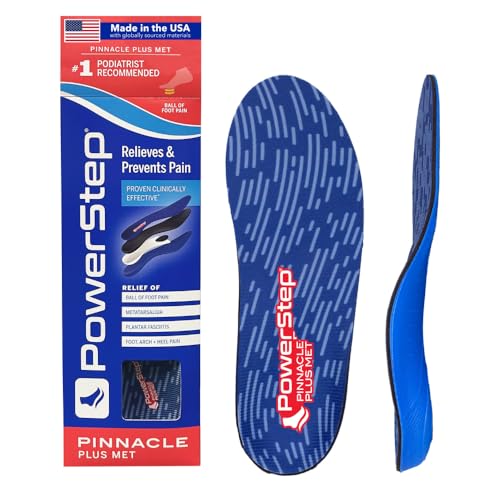 PowerStep Pinnacle Plus Met (Small)
|
Premium | Metatarsal support in smaller sizes | Small-footed hikers with forefoot pain | Check Price |
1. Superfeet All-Purpose Support Medium Arch Insoles (Blue) - Trim-To-Fit Orthotic Shoe Inserts - Professional Grade
Superfeet Blue stabilizes the heel and supports the arch so your foot moves less inside the shoe — that reduced motion cuts friction and the chance of hotspots. The trim-to-fit design lets you customize fit for hiking boots, and the moisturewick top cover helps keep feet drier on cool fall days.
Key Specs
- Trim-to-fit full-length design
- Medium arch orthotic support
- Sculpted heel cup for shock absorption
- Moisturewick top cover and closed-cell foam
Pros
- Strong arch and heel support reduces foot movement
- Durable construction maintains shape over months
- Moisturewick surface helps control sweat and odor
Cons
- Premium price may feel high for some buyers
- Firm feel requires a short break-in period
Best For: Hikers needing fit and heel control
Check Latest Price on Amazon2. WalkFit Platinum Foot Orthotics Plantar Fasciitis Arch Support Insoles Relieve Foot Back Hip Leg and Knee Pain Improve Balance Alignment (Men 10-10.5 / Women 11-11.5)
WALKfit Platinum includes multiple arch inserts so you can tune support to your foot; proper arch support prevents over-pronation and reduces hotspots on long miles. The gel-padded Bio-Lock heel cup cushions impacts and stabilizes the heel, which minimizes slipping and rubbing in boots and shoes.
Key Specs
- Three interchangeable arch inserts (low/med/high)
- Bio-Lock heel cup with gel pad
- Advanced cushioning with shock absorption
- Available in many sizes
Pros
- Customizable arch lets you match support to your foot
- Effective heel cushioning reduces slippage
- Good value for adjustable orthotic features
Cons
- Some users report fit issues in narrow shoes
- Mixed durability reports — may crack over heavy use
Best For: Hikers who need adjustable arch height
Check Latest Price on Amazon3. WalkFit Platinum Foot Orthotics Plantar Fasciitis Arch Support Insoles Relieve Foot Back Hip Leg and Knee Pain Improve Balance Alignment (Men 7-7.5 / Women 8-8.5)
This WalkFit listing provides the same multi-arch system and Bio-Lock heel cushioning in a different size range, helping smaller-footed hikers customize support to stop heel slip and reduce friction. Gradual break-in is recommended to allow your feet to adjust to the orthotic contours.
Key Specs
- Three arch inserts plus reflexology pad
- Gel Bio-Lock heel cup for shock absorption
- Designed for progressive wear-in
Pros
- Custom arch inserts improve foot alignment
- Cushioned heel lowers impact and rubbing
- Good price for orthotic features
Cons
- May feel wide in some footwear
- Some users find lifespan varies by activity
Best For: Smaller-size hikers wanting arch options
Check Latest Price on Amazon4. PowerStep Pinnacle Plus Ball of Foot Pain Relief Orthotics - Shoe Inserts for Metatarsalgia, Arch Support & Morton's Neuroma Pain Relief - Made in USA Insoles with Metatarsal Pad (M 6-6.5, F 8-8.5)
PowerStep Pinnacle Plus Met has a dedicated metatarsal pad that redistributes pressure away from the ball of the foot — a common blister and hotspot area on uphill or stone-strewn trails. The neutral arch and plush cushioning absorb shock while keeping the forefoot protected, which helps prevent friction-related blisters.
Key Specs
- Full-length insole with metatarsal pad
- Neutral arch support with plush cushioning
- Made in the USA; no trimming required
Pros
- Metatarsal pad reduces ball-of-foot pressure
- Immediate comfort for many users
- Balances cushioning with arch stability
Cons
- Some shoppers consider it pricey for the material
- Thicker cushioning can change shoe fit in tight toe boxes
Best For: Hikers with ball-of-foot hotspots
Check Latest Price on Amazon5. PowerStep Pinnacle Plus Ball of Foot Pain Relief Orthotics - Shoe Inserts for Metatarsalgia, Arch Support & Morton's Neuroma Pain Relief - Made in USA Insoles with Metatarsal Pad (M 5-5.5, W 7-7.5)
This version offers the same metatarsal support and arch shape in smaller sizes to prevent hotspots in the forefoot area. It's well suited when tight-fitting hiking shoes cause friction at the ball of the foot, though users with narrow footwear should check fit since cushioning adds bulk.
Key Specs
- Built-in metatarsal pad for ball-of-foot relief
- Neutral arch with maximum cushioning
- Full-length, ordered by shoe size
Pros
- Targets metatarsalgia and Morton's neuroma pressure
- Comfortable cushioning reduces shock
- Well-engineered arch shape supports gait
Cons
- May reduce internal shoe volume in snug footwear
- Some consider value mixed versus thinner options
Best For: Small-footed hikers with forefoot pain
Check Latest Price on AmazonWhich One Should You Choose?
If you want a reliable, all-around solution that stabilizes heel and arch to reduce friction, choose the Superfeet All-Purpose Support (B0011YEMDK). If your budget is tight but you want adjustable arch support and a cushioned heel, pick the WALKfit PLATINUM (B003BKTS8G). If your main issue is ball-of-foot hotspots, the PowerStep Pinnacle Plus Met (B00WIY98Q8) provides targeted metatarsal relief.
Best for Specific Scenarios
- Heel slipping in boots: Superfeet All-Purpose Support — sculpted heel cup locks the foot and reduces rubbing.
- Adjustable arch support for different shoes: WALKfit PLATINUM — interchangeable arch inserts let you tune support across footwear.
- Hotspots under the ball of the foot: PowerStep Pinnacle Plus Met — built-in metatarsal pad redistributes pressure and cushions the forefoot.
Frequently Asked Questions
What immediately prevents a new hotspot from turning into a blister on the trail?
At the first sign of a hotspot, stop and dry the area, apply an adhesive blister patch or moleskin to cover and reduce friction, and adjust lacing to stop further movement. Long socks, foot powder, or a thin lubricant can also reduce shear while you continue hiking. Treating early is the single best way to avoid a full blister.
Should I pop a blister if it forms on a hike?
If a blister is small and not painful, leave it intact — the skin protects the wound. If it’s large, painful, or likely to tear, sterilize a needle and drain fluid by puncturing the edge, press fluid out gently, apply antiseptic, and cover with a sterile blister pad. Keep the area clean and replace dressing daily.
Do insoles really help prevent blisters, or are socks more important?
Both matter. Socks control moisture and reduce friction at the skin level, while insoles control foot movement and pressure inside the shoe. Combining well-fitted insoles with moisture-wicking, properly padded socks gives the best protection against blisters.
How do I know what type of insole I need?
Map where you get blisters: heels need deep heel cups and heel cushioning; balls of the foot benefit from metatarsal pads; side hotspots often come from shoes that are too tight or a lack of arch support. Choose insoles that address your primary hotspot and fit your shoe without crowding the toe box.
How long before a hike should I break in new insoles or shoes?
Gradually — wear new insoles or shoes for short walks over several days to a couple of weeks, increasing duration each day. Most supportive insoles need short, progressive wear-in (start 1–2 hours) so tissues adapt and you can spot new pressure points before a long hike.
How We Selected These Products
Our recommendations are based on data-driven analysis: we evaluated 53314+ products across 12031+ brands using a composite scoring system that weighs rating (40%), review volume (30%), price value (20%), and demand signals (10%). Every product is ranked by data, not opinions.
Last updated: September 09, 2026
As an Amazon Associate we earn from qualifying purchases at no extra cost to you. Full disclosure.
VitalBench Score is our editorial ranking based on a composite analysis of product quality, value, and verified customer sentiment. Click through to Amazon for current pricing, availability, and live customer reviews.